MO.CO.
13 rue de la République, Montpellier
From 31 January to 3 May 2026
Opening 31 January 2026 at 12pm at MO.CO.
And at musée Fabre, boulevard Bonne Nouvelle, Montpellier
From 31 January to 3 May 2026
L’École des beaux-arts de Montpellier : A Singular History
SOL ! La biennale du territoire #3
In partnership with the musée Fabre
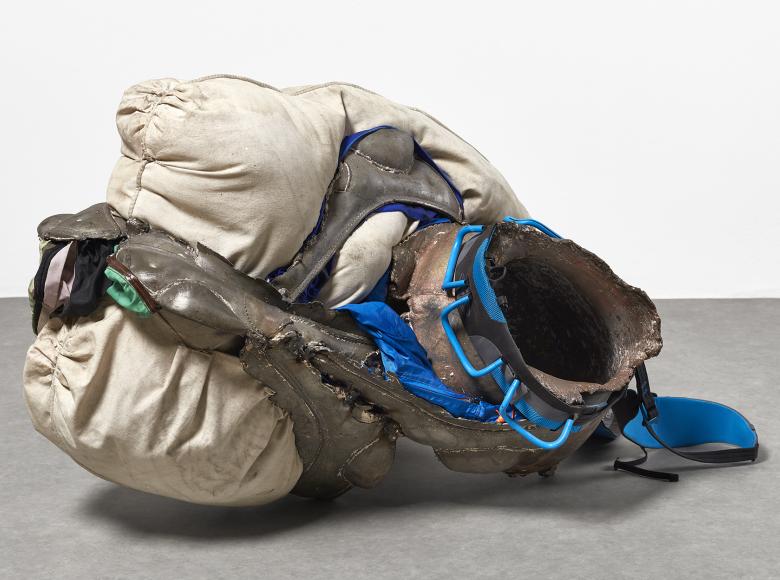
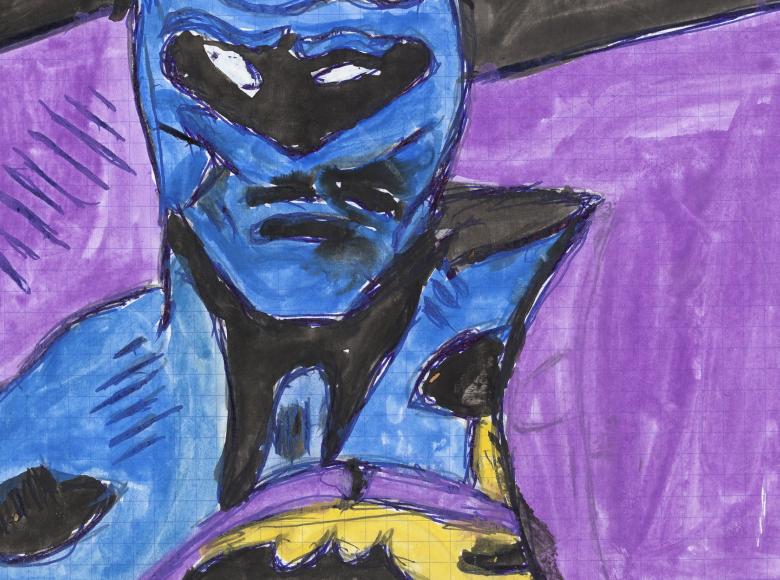
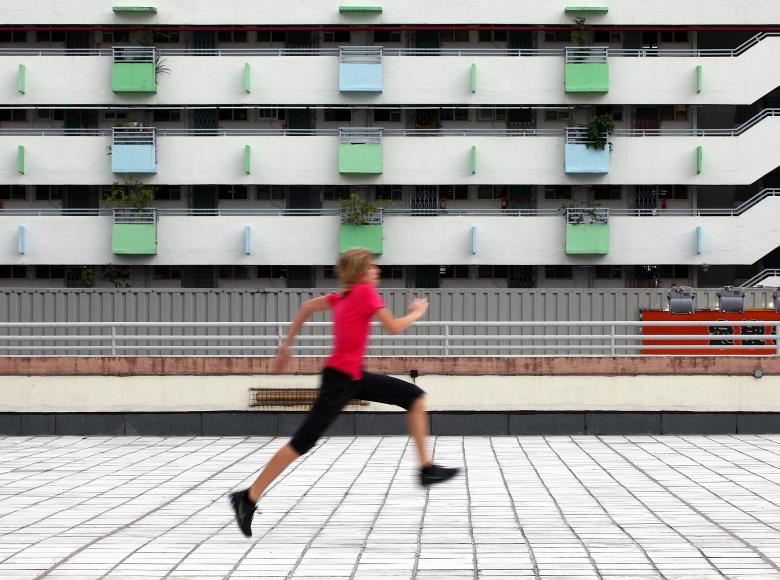
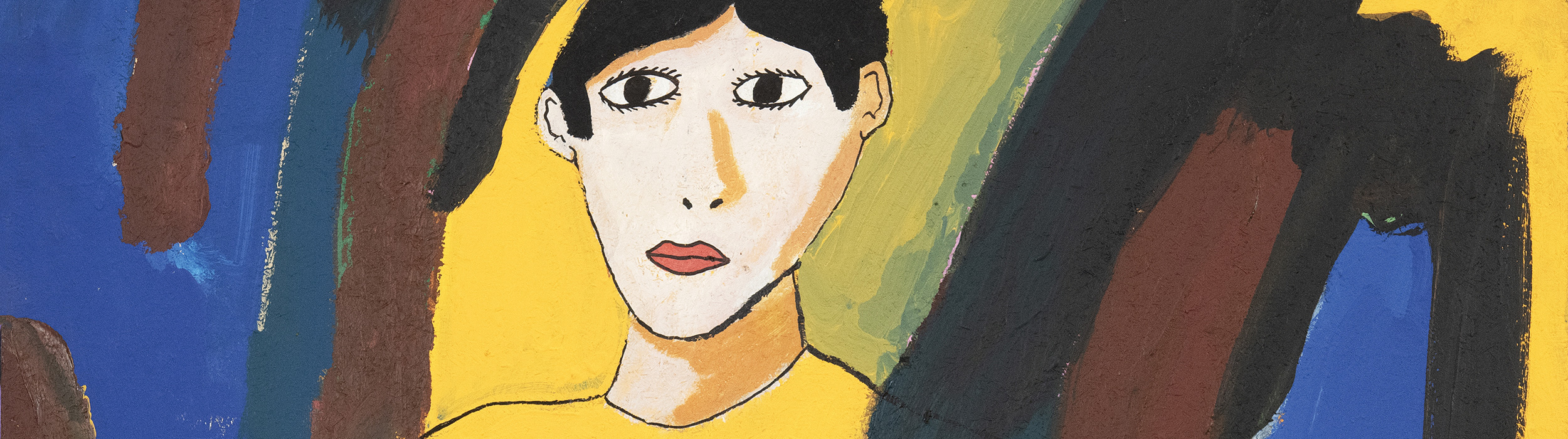
Since 2021, SOL! La Biennale du Territoire has highlighted the vitality of contemporary creation in the Occitanie region. For this third edition, MO.CO. and the musée Fabre created an exceptional partnership to pay tribute to a major actor in Montpellier’s artistic life: the School of Fine Arts. This exhibition explores a rich, long, and sometimes little-known history, shaped by academic heritage, radical experimentation, and openness to the international scene.
With :
Soufiane Ababri, Nicolas Aguirre, Tjeerd Alkema, Marc Aurelle, Émilie Aussel, Jean Azemard, Geoffrey Badel, Suzanne Ballivet, Ekiem Barbier, Abdelkader Benchamma, Jean-Jaques Bestieu, Vincent Bioulès, Nicolas Boillot, Jules Boilly, Belkacem Boudjellouli, Frédérique Bourguet, Bobby Brim, Alexandre Cabanel, Jo Carbi, Ava Carrère, Alexandre Eugène Castelnau, Guilhem Causse, Cyril Chartier-Poyet, Aude Chevalier-Beaumel, Alain Clément, Robert Combas, Gabriel Couderc, Julien Crépieux, René-Jérome Demoulin, Camille Descossy, Julien Descossy, Daniel Dezeuze, François Dezeuze, Georges Dezeuze, Albert Dubout, Paul Dubois, Jean-Baptiste Durand, Sébastien Duranté, Toma Dutter, Yoann Estevenin, Emmanuelle Étienne, François-Xavier Fabre, Nicolas Fenouillat, Agnès Fornells, Bernard Frize, Jacques Gamelin, Pablo Garcia, Dominique Gauthier, Joëlle Gay, Mark Geffriaud, Hadrien Gérenton, Noé Grenier, Toni Grand, Grout/Mazéas, Miles Hall, Marie Havel, Vir Andres Hera, Ninon Hivert, Rodolphe Huguet, Yongkwan Joo, Mona Young-eun Kim, Quentin L'Helgoualc'h, Alain Lapierre, Jules Joseph Augustin Laurens, Nicolas Lebrun, Max Leenhardt, Lucas Mancione, Gabrielle Manglou, Édouard-Antoine Marsal, Michel Martin, Charles Matet, Ganaëlle Maury, Mehdi Melhaoui, Ernest Michel, Jean Milhau, Gilles Miquelis, Joachim Mogarra, Jacques Moulinier, Caroline Muheim, Marie-Charlotte Nouza, Bruno Peinado, Lucien Pelen, Pierre Peres, Bruno Persat, Clément Philippe, Aurélie Piau, Émilie Plateau, Henriette Pous-Viallat, Benoît Pype, Joël Renard, Jimmy Richer, Germaine Richier, Clara Rivault, François Rouan, Alba Sagols, Gwendoline Samidoust, Patrick Saytour, Valentine Schlegel, Pierre Soulages, Samuel Spone, Didier Tallagrand, Cédric Torne, Gaétan Vaguelsy, Claude Viallat, Andrée Vilar, Chloé Viton.
Heir to the Société des Beaux-Arts de Montpellier founded in 1779, the school was integrated into the musée Fabre from its creation. Reformed as a Municipal School of Fine Arts in 1872 and then as a Regional School in 1882, it left the museum premises in 1948 and became the École supérieure des beaux-arts de Montpellier in 1977. Installed in its current buildings in 1984, it has been one of the components of the MO.CO. public institution since 2018. Over the course of 250 years, despite profound transformations, the school has cultivated its singularity, training several generations of artists with the ambition of providing both a strong local grounding and a stepping stone toward national and international recognition. Its history is marked by a fertile tension between transmission and creative freedom.
Inspired by the ideals of the enlightenment and the spirit of the free drawing schools, the institution was initially the result of a civic and collective commitment to supporting artists. From its origins, it facilitated mobility and exchanges between Montpellier and Paris. Promising young artists from Montpellier thus gained access to prestigious careers, such as Alexandre Cabanel and Ernest Michel, the latter having directed the school for more than thirty years. At the beginning of the twentieth century, this dynamic continued through the teaching of Camille Descossy, Georges Dezeuze, and Louis Guigues, and through the success of Germaine Richier, Valentine Schlegel, Suzanne Ballivet, and Pierre Soulages. In the second half of the twentieth century, affinities transformed into groups, and the emergence of Supports/Surfaces ushered in a period of radical emancipation. The 1970s and the following decades saw the development of a flourishing southern French scene with international reach, embodied by Vincent Bioulès, Robert Combas, Daniel Dezeuze, Bernard Frize, François Rouan, and Claude Viallat.
Today, the school has become a true laboratory within MO.CO., providing transversality, autonomy, and openness. Senior figures have paved the way for recognition in France and internationally, such as Abdelkader Benchamma and César Award–winning filmmaker Jean-Baptiste Durand.
In order to convey this rich history, the exhibition brings together works by former students from the school’s origins up to 2019. Combining chronological and thematic approaches, it highlights lineages, practices, and affinities that transcend generations.
The exhibition also brings together an expanded regional network: major loans come from MRAC Occitanie in Sérignan, the Carré d’Art – Musée d’art contemporain de Nîmes, and FRAC Occitanie Montpellier. Artistic partnerships have also been established with FRAC Occitanie Montpellier, the Musée Paul Valéry in Sète, and the city’s associative galleries, which will present artists who graduated from the school.
Under the direction of Numa Hambursin, Chief Executive Officer of MO.CO., and Juliette Trey, Chief Executive Officer of Musée Fabre.
Curators: Caroline Chabrand and Pauline Faure; Julie Chateignon, attachée de conservation; Deniz Yoruc, Exhibition Assistant at MO.CO.; Matthieu Fantoni, conservator in charge of classical art collections at the musée Fabre
In partnership with the musée Fabre.
Booklet